
Everyday Habits That Help Protect Dental Implants
Dental implants can provide a durable, natural-looking solution for replacing missing teeth, but their long-term success depends on more than the initial procedure. Everyday habits play an important role in keeping implants clean, protecting the surrounding gums, and supporting overall oral health. With consistent care and professional oversight, implants can remain functional and comfortable for many years.
Tooth loss is also more common than many people realize. According to the World Health Organization, nearly 7% of adults worldwide who are 20 or older experience complete tooth loss. For people who choose implants as part of their dental restoration, establishing good daily habits can help protect their investment and maintain their quality of life.
Maintain Consistent Oral Hygiene
Daily oral hygiene is one of the most important ways to protect implants and the natural teeth that remain. Although an implant itself cannot develop a cavity, the gum tissue and bone surrounding it can still be affected by plaque and bacteria. Poor hygiene can contribute to inflammation and infections that may threaten the tissues supporting an implant.
Brushing twice a day with a soft-bristled toothbrush can help remove plaque from around the implant and along the gumline. It is important to clean thoroughly without using excessive pressure, which can irritate the gums. Fluoride toothpaste may also be recommended to help protect remaining natural teeth from decay.
Flossing or using another form of interdental cleaning is equally important. Food particles and plaque can accumulate between teeth and around
implants, where a toothbrush may not reach effectively. Cleaning these areas every day can help keep the surrounding tissues healthy and reduce the risk of complications.
Choose Foods That Support Oral Health
Diet can also influence the longevity of implants. While implants are designed to withstand normal chewing forces, repeatedly exposing them to extremely hard or sticky foods can place unnecessary stress on the restoration or surrounding structures.
A balanced diet containing adequate protein, vitamins, minerals, and other nutrients supports the body's ability to maintain healthy oral tissues. Foods such as vegetables, fruits, lean proteins, dairy products, and other nutrient-rich choices can contribute to overall dental and systemic health.
People with new implants may receive temporary dietary restrictions while the implant integrates with the surrounding bone. Following those instructions carefully is particularly important during the healing process. Once healing is complete, patients can generally return to a broader diet, although it remains sensible to avoid habits such as chewing ice or using teeth to open packages.
Sugary and highly acidic foods and drinks should also be consumed in moderation. While implants themselves cannot decay, natural teeth remain vulnerable to cavities, and the gums around implants still benefit from a healthy oral environment.
Schedule Regular Dental Check-ups
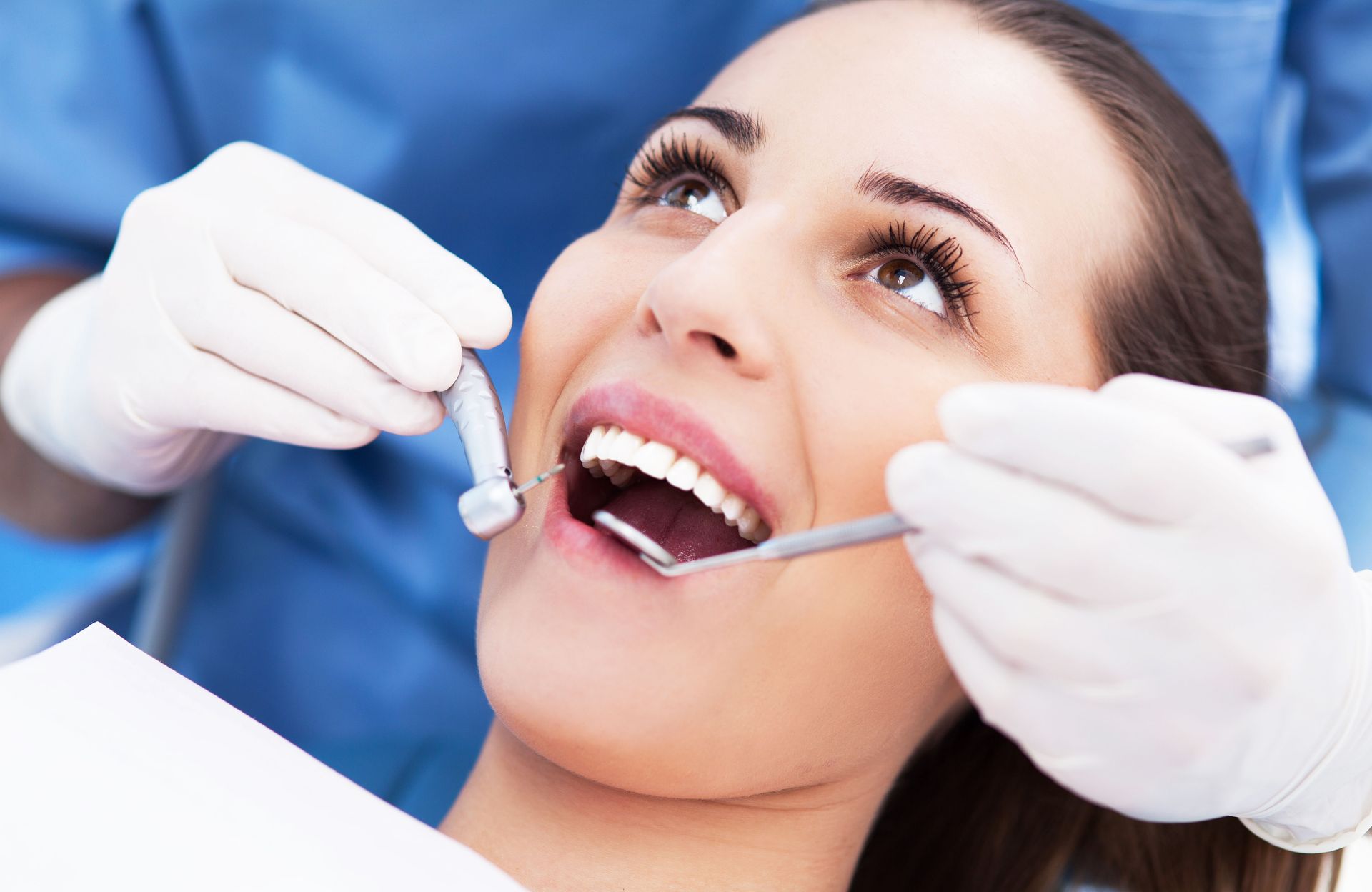
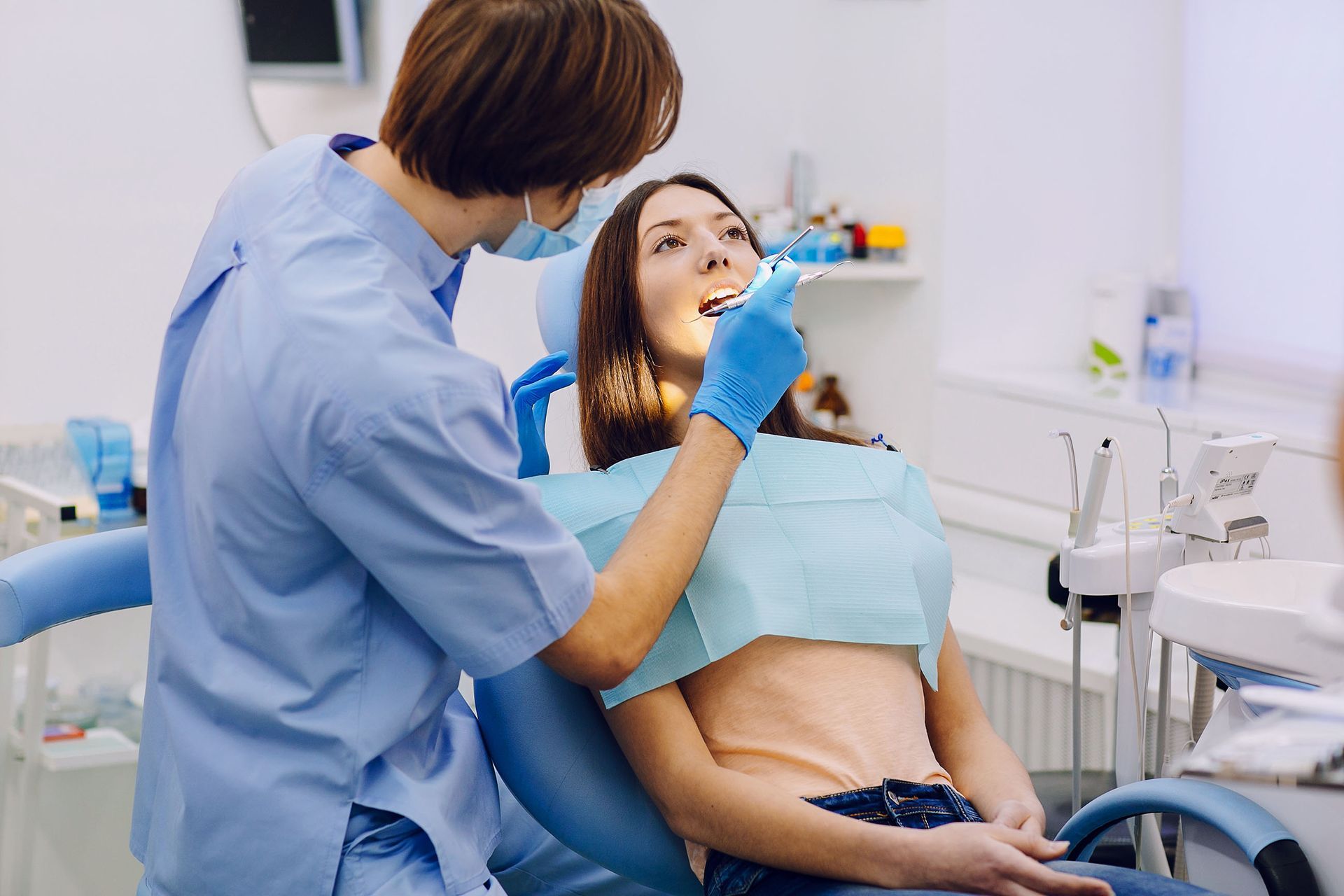
Even excellent home care does not replace professional dental examinations. Regular check-ups allow a dental professional to evaluate the condition of implants, surrounding gums, natural teeth, and supporting bone.
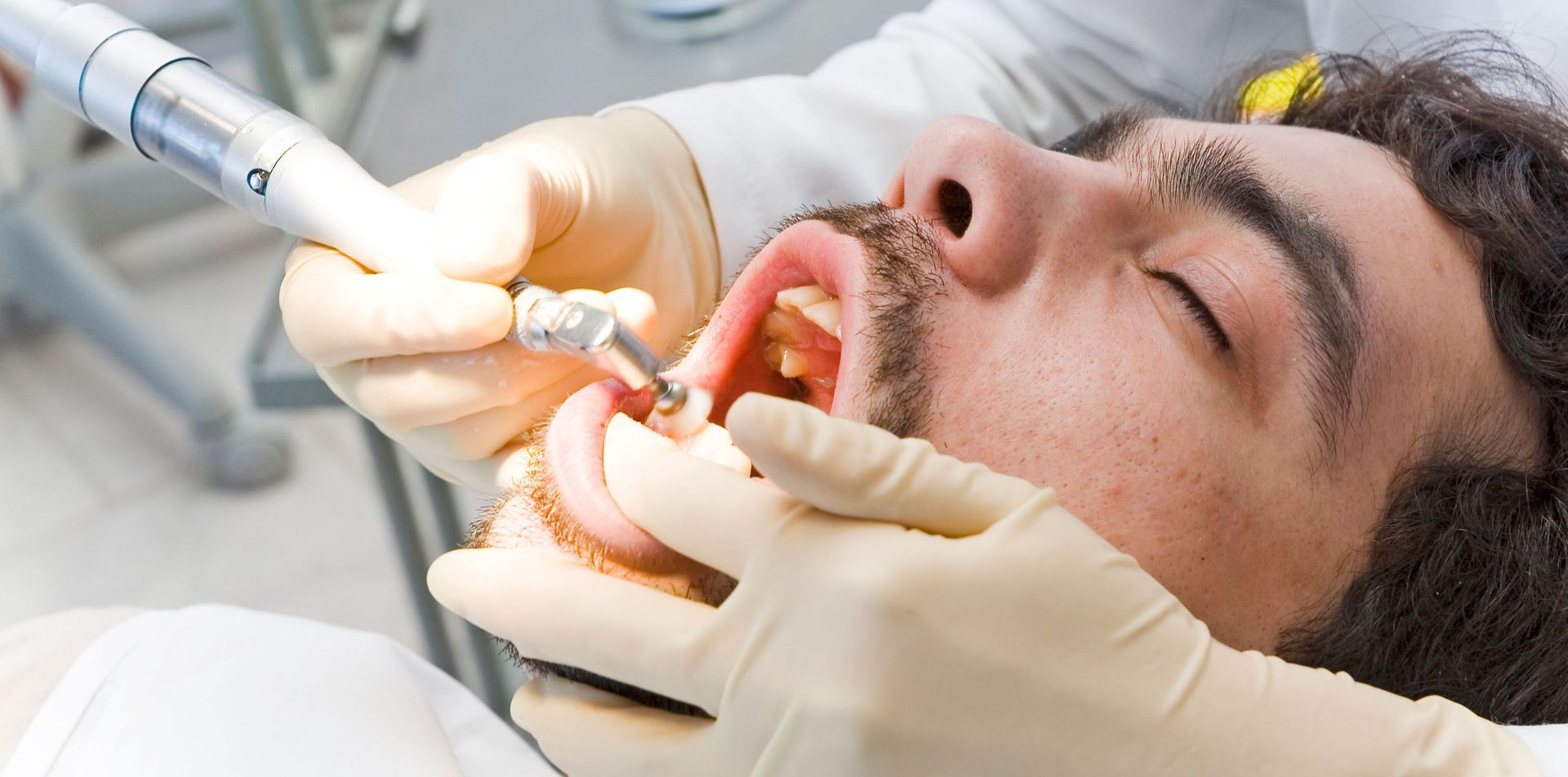
During these visits, a dentist or hygienist can identify plaque or tartar that is difficult to remove at home. They can also look for early signs of inflammation or other changes around implants. Addressing problems while they are still minor can help prevent them from developing into more serious complications.
The appropriate frequency of dental visits varies from person to person. Some individuals may need more frequent appointments because of their oral health history, gum disease risk, or other factors. Following an individualized maintenance schedule can give implants the best opportunity to remain healthy over time.
Professional care is particularly valuable because problems around implants may not always cause obvious symptoms in their early stages. Regular examinations can therefore provide an additional layer of protection beyond daily brushing and cleaning.
Make Healthy Lifestyle Choices
Lifestyle habits can have a significant effect on oral health and the longevity of implants. Smoking, for example, can interfere with gum health and healing and may increase the risk of complications. Avoiding tobacco products is therefore an important step for people who want to protect their implants. Limiting other habits that can negatively affect oral health can also help maintain the tissues surrounding an implant.
Good overall health habits can also support oral health. Managing stress, getting adequate sleep, staying physically active, and maintaining a balanced diet can contribute to general wellness, which in turn supports the body's ability to maintain healthy tissues. Staying hydrated and keeping up with routine medical and dental care can further support the conditions needed for good oral health.
Patients should also pay attention to habits that place excessive mechanical stress on their teeth or restorations. Chewing on pens, biting fingernails, opening packages with teeth, and chewing ice can potentially damage dental work. People who grind or clench their teeth may also benefit from discussing the issue with their dentist. In some cases, a custom night guard may help reduce excessive forces placed on teeth and implants while sleeping. Being mindful of these behaviors can help prevent avoidable damage and preserve the function of dental restorations.
Following post-treatment instructions is another essential lifestyle choice. Every implant case is different, and recommendations regarding healing, activity, diet, and cleaning should be followed as closely as possible. Taking these instructions seriously during recovery can help support proper healing and establish good habits for long-term implant care.
Use Appropriate Cleaning Tools
The right tools can make maintaining implants easier and more effective. A soft-bristled toothbrush is generally a good starting point, while specialized interdental brushes can help clean areas around and between restorations. Some patients may also benefit from water flossers or other oral hygiene devices. Using these tools consistently can make it easier to maintain a thorough daily cleaning routine.
However, not every product is appropriate for every patient or implant restoration. Dental professionals can recommend tools based on the location and design of the implants, the condition of the gums, and the patient's ability to clean certain areas effectively.
Patients should also avoid assuming that more aggressive cleaning is necessarily better. Scrubbing too forcefully or using inappropriate instruments could irritate the gums or potentially damage restorative components. Instead, the goal should be thorough but gentle cleaning.
Replacing toothbrushes and brush heads regularly is another simple habit worth maintaining. Worn bristles are less effective at cleaning plaque, making replacement an easy way to keep daily hygiene routines effective.
Protect Your Long-Term Investment
Caring for implants does not have to involve complicated routines. Consistency is often more important than complexity. Brushing thoroughly, cleaning between teeth, choosing a balanced diet, avoiding damaging habits, and attending regular dental appointments can all contribute to long-term implant maintenance.
Patients should also pay attention to changes such as persistent redness, swelling, bleeding, discomfort, looseness, or changes in how an implant restoration fits or feels. These symptoms should not simply be ignored. Contacting a dental professional when something seems unusual can allow potential problems to be evaluated before they become more significant.
Dental implants can be an important part of restoring function, appearance, and confidence after tooth loss. Protecting them requires an ongoing commitment to oral hygiene and overall health rather than care that ends once treatment is complete. By making these habits part of a normal daily routine, patients can help preserve their implants and maintain a healthy smile for years to come. If you're looking for dental implants, reach out to the team at West Vinings Dental Aesthetics today!
Share On: