
How Dental Implants Can Benefit You
Dental implants represent a major advancement in dental care, offering a durable, natural-looking, and functional solution for tooth loss. They provide significant advantages over traditional bridges and dentures, including long-term stability, preservation of jawbone health, and improved comfort for chewing and speaking. By mimicking the structure of natural teeth, implants also help maintain the overall alignment and integrity of your remaining teeth, supporting both oral health and facial structure.
For anyone considering a long-term solution to missing teeth, implants offer a reliable and aesthetically pleasing option. They can restore confidence, improve oral function, and enhance overall quality of life by allowing you to eat, speak, and smile with ease. Consulting with a qualified dentist is the first step toward determining if implants are right for you, ensuring a personalized approach to restoring your smile. With proper care, maintenance, and regular dental visits, dental implants can provide lasting benefits, making them a smart investment in both your dental health and everyday comfort.
What Are Dental Implants?
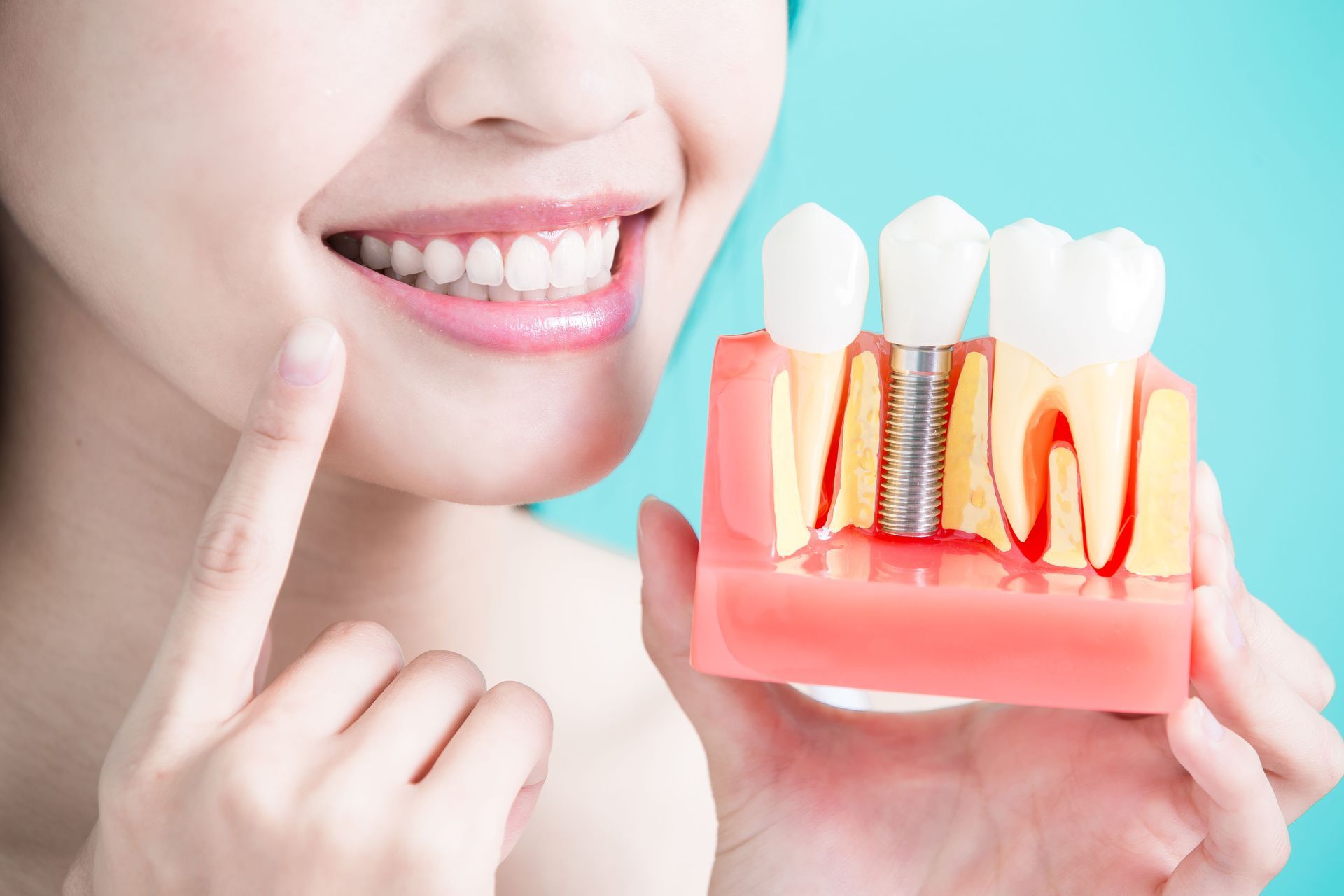
Dental implants are artificial tooth roots, typically made from biocompatible titanium, that are surgically placed into the jawbone. Unlike dentures or bridges, implants serve as a permanent foundation for replacement teeth, including crowns, bridges, or even full dentures. The design of implants allows them to fuse naturally with the jawbone through a process called osseointegration. This integration ensures that the implant is stable and durable, mimicking the function of natural teeth.
In addition to providing a secure base for replacement teeth, implants help maintain the health of the jawbone. When teeth are missing, the bone can deteriorate over time, leading to changes in facial structure and difficulty with chewing. Implants stimulate the bone, preventing the shrinkage and bone loss that commonly occur after tooth extraction. This feature distinguishes implants from other tooth replacement options and contributes to long-term oral health.
How Do Dental Implants Compare to Other Tooth Replacement Options?
When considering solutions for missing teeth, dental implants offer several advantages over traditional options like bridges and dentures. Bridges rely on adjacent teeth for support, which can compromise the strength of natural teeth and may require reshaping or filing. Dentures, while non-invasive, can slip or shift during use and often require adhesives for stability. Both options may not prevent bone loss in the jaw, a problem that implants actively address.
Implants are more durable than bridges and dentures, often lasting decades with proper care. They provide a natural feel and function similar to real teeth, allowing for easier chewing and clearer speech. For individuals seeking a long-term solution, implants offer superior comfort, appearance, and oral health benefits compared to other tooth replacement methods.
While implants may have a higher upfront cost than bridges or dentures, the investment is offset by their longevity and minimal need for replacement or adjustment over time. The natural look and functional stability of implants make them a preferred choice for those who prioritize both aesthetics and long-term dental health.
What Is the Procedure for Getting Dental Implants?
The process of receiving dental implants typically involves several stages to ensure the implant integrates properly with the jawbone and supports a natural-looking tooth. The first step is a comprehensive consultation with a dentist or oral surgeon, who will evaluate your oral health, take X-rays, and determine whether you are a suitable candidate for implants. Factors such as bone density, gum health, and overall medical history are assessed during this evaluation, and any necessary preparatory treatments—such as bone grafts or gum therapy—may be recommended to optimize success. This careful planning helps minimize risks and ensures the best possible outcome.
Once you are cleared for the procedure, the implant is surgically placed into the jawbone under local anesthesia. After placement, a healing period of several months allows the implant to fuse with the bone securely. This phase is critical for the stability and longevity of the implant, as proper integration is what allows implants to function like natural teeth. Temporary restorations may be provided during this time to maintain aesthetics and function, helping you eat and speak comfortably.
Following successful osseointegration, an abutment is attached to the implant, serving as a connector for the final crown or prosthetic tooth. The crown is then custom-designed to match the shape, size, and color of your surrounding teeth, ensuring a natural appearance. Modern dental technology and materials make it possible for implants to blend seamlessly with your existing teeth, both in function and in appearance. Once the restoration is in place, patients often find that their new tooth feels completely natural, providing long-term comfort and confidence in daily activities.
How Long Do Dental Implants Last?
One of the most appealing aspects of dental implants is their longevity. In our experience, with proper oral hygiene and regular dental checkups, implants can last 20 years or more, often becoming a permanent solution for tooth replacement. Unlike bridges or dentures, which may require replacement or adjustment every 5 to 15 years, implants are designed to withstand daily use for decades.
The lifespan of an implant can be influenced by several factors, including oral hygiene habits, smoking, diet, and overall health. Maintaining a routine of brushing, flossing, and periodic professional cleanings is essential for preventing gum disease, which can compromise the stability of the implant. Patients who follow these guidelines typically experience long-term success and satisfaction with their implants.
Additionally, choosing an experienced dentist for the placement procedure increases the likelihood of optimal outcomes. Proper surgical technique, high-quality materials, and careful planning all contribute to the durability and performance of implants, making them a reliable investment in oral health.
Are Dental Implants Safe and Pain-Free?
Dental implants are considered a safe and highly effective method for replacing missing teeth. Because the procedure involves surgical placement, there are potential risks such as infection, nerve damage, or implant failure. However, these complications are relatively rare, and advancements in dental technology have minimized associated risks significantly. A thorough pre-procedure evaluation ensures that patients are suitable candidates, further enhancing safety.
In terms of discomfort, patients can expect some swelling or mild pain following surgery, which can be managed with prescribed or over-the-counter medications. Modern anesthesia and sedation techniques make the procedure more comfortable than ever, and most patients report that post-operative discomfort is manageable and short-lived.
During the healing period, regular follow-up visits help monitor the integration of the implant and address any concerns promptly. Once the implant is fully healed and the crown is placed, patients often remark on the natural feel and comfort, reporting that implants function and feel like real teeth without causing ongoing discomfort.
Dental implants represent a major advancement in dental care, offering a durable, natural-looking, and functional solution for tooth loss. They provide significant advantages over traditional bridges and dentures, including long-term stability, preservation of jawbone health, and improved comfort for chewing and speaking. According to the World Health Organization, nearly 7% of adults worldwide experience complete tooth loss, highlighting the importance of effective tooth replacement options like implants.
For anyone considering a long-term solution to missing teeth, implants offer a reliable and aesthetically pleasing option. They can restore confidence, improve oral function, and contribute to overall health. Consulting with a qualified dentist is the first step toward determining if implants are right for you, ensuring a personalized approach to restoring your smile. With proper care and maintenance, dental implants can provide a lifetime of benefits, making them an excellent investment in both dental health and quality of life. If you're looking for quality dental implants from a compassionate team, reach out to West Vinings Dental Aesthetics today!



Share On: